
Early Detection with Heart Test for Blockage
Heart disease is a leading global health concern, and a heart test for blockage is essential for early detection of artery issues. This test helps doctors assess blood flow in the coronary arteries and identify plaque buildup. Detecting blockages early allows timely treatment through lifestyle changes, medication, or procedures that protect long-term heart health.
Coronary Blockage & Testing Importance
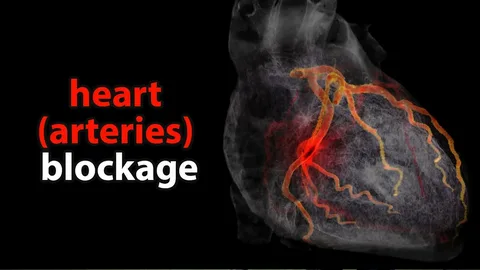
Coronary artery blockage occurs when plaque made of cholesterol, fat, calcium, and other substances accumulates inside the heart’s arteries. Over time, this buildup narrows the passageway, restricting oxygen-rich blood from reaching the heart muscle. A heart test for blockage becomes essential because many blockages develop silently, without obvious symptoms, until the problem reaches a dangerous stage. Early screening helps identify the issue long before it becomes life-threatening.
Signs You Need a Heart Test for Blockage
Although heart blockages often progress slowly, they eventually trigger symptoms that signal reduced blood flow. Individuals may notice chronic fatigue during normal activities, discomfort in the chest, arms, neck, or jaw, or breathlessness that worsens with exertion. Some people experience palpitations, sweating, or nausea during mild physical activity. These signs are warnings that the heart may not be receiving adequate blood supply. Undergoing a heart test for blockage helps determine whether these symptoms result from coronary artery disease or another underlying condition.
Common Tests to Detect Heart Blockages
Medical professionals use several diagnostic tools to evaluate heart health and identify blockages in the coronary arteries. The most basic assessment is the electrocardiogram, a heart test for blockage that measures the electrical activity of the heart and detects abnormalities that suggest reduced blood flow. Although it does not directly visualize blockages, it provides valuable insights into rhythm disturbances or possible damage.
Preventing Complications with Heart Blockage Tests
The biggest advantage of undergoing a heart test for blockage is early detection. When a blockage is discovered early, doctors can recommend medications to lower cholesterol, control blood pressure, or reduce inflammation. Lifestyle adjustments such as adopting a heart-healthy diet, stopping smoking, exercising regularly, and managing stress can significantly improve heart function.
In more serious cases, medical interventions like angioplasty, where a balloon is inserted to open the artery and a stent is placed to keep it open, may be necessary. Some patients may require coronary artery bypass surgery, which reroutes blood flow around the blocked artery. These treatments greatly reduce the risk of heart attacks and improve long-term survival.
Preparing for a Heart Test
Most heart blockage tests require only simple preparation. A doctor may advise fasting for specific blood tests or avoiding caffeine before a stress test. Depending on the type of test, certain medications may need to be paused temporarily. It is important to follow the doctor’s instructions carefully to ensure accurate results.
The testing process is generally safe and well-tolerated. Non-invasive tests such as ECGs, echocardiograms, and CT angiography cause no discomfort. Even minimally invasive procedures like coronary angiograms are performed under controlled conditions by experienced specialists.
When You Need Emergency Heart Care
While regular screening is important for prevention, certain symptoms require immediate medical attention. Severe chest pain, sudden shortness of breath, excessive sweating, rapid heartbeat, or pain radiating to the jaw or left arm may signal a heart attack. In these cases, urgent emergency care is essential. Quick action can save lives, especially when the symptoms indicate the need for a heart test for blockage.
Protecting Heart Health Early
A heart test for blockage is a vital step in protecting heart health. Advances in diagnostic technology have made early detection faster, easier, and more accurate. Whether a person shows symptoms or is at high risk, early screening enables timely detection and treatment, preventing life-threatening complications. By prioritizing regular testing and following a heart-healthy lifestyle, individuals can lower their risk and maintain strong cardiovascular health.
When Emergency Heart Care Is Needed
While regular screening is important for prevention, certain symptoms require immediate medical attention. Severe chest pain, sudden shortness of breath, excessive sweating, rapid heartbeat, or pain radiating to the jaw or left arm may signal a heart attack. In these cases, urgent emergency care is essential. Quick action can save lives, especially when the symptoms are caused by a severe heart blockage.
Protecting Heart Health Through Early Testing
A heart test for blockage is one of the most important steps a person can take to protect their heart health. With advancements in diagnostic technology, detecting blockages early has become easier, faster, and more accurate. Whether someone experiences symptoms or belongs to a high-risk group, early screening allows for timely detection and treatment, preventing life-threatening complications. By prioritizing regular testing and adopting a heart-healthy lifestyle, individuals can significantly reduce their risk and maintain strong cardiovascular health.