
Protecting Your Heart in Dubai
Heart disease is a leading cause of illness and early death worldwide, and Dubai is no exception. Residents face fast-paced work schedules, high stress, and rising rates of obesity and diabetes, making them more prone to cardiovascular problems. Recognizing the early signs of Heart Disease in Dubai is essential. Timely detection and intervention can prevent serious complications like heart attacks, strokes, and heart failure. This article provides a detailed guide on symptoms, risk factors, diagnostics, and preventive measures for Dubai residents.
Understanding Heart Disease
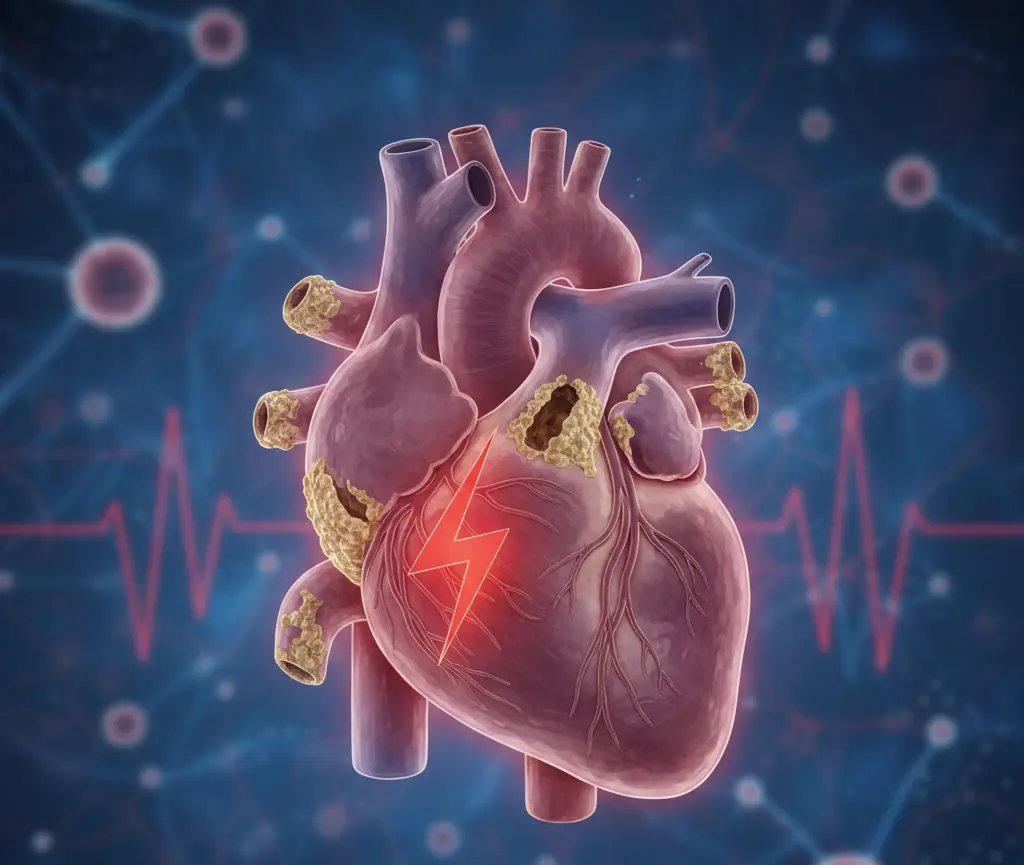
Heart disease, also called cardiovascular disease, includes conditions affecting the heart and blood vessels. Common types include coronary artery disease, heart failure, arrhythmias, and congenital heart defects. Lifestyle changes, urbanization, and unhealthy diets have contributed to increasing heart problems in Dubai. By understanding early signs and risk factors, residents can take control of their health. Heart Disease in Dubai is often preventable with awareness and early action.
Heart disease develops when blood vessels become narrow or blocked, reducing blood flow. This can damage the heart muscle and reduce its efficiency. Many residents are unaware of the gradual changes until symptoms appear. Regular health monitoring and awareness of early warning signs can significantly reduce the risks of Heart Disease in Dubai.
Common Early Signs of Heart Disease
Identifying early symptoms can save lives. While signs differ between individuals, some symptoms are more common.
Chest discomfort or pain is the most frequent warning sign. Residents may feel pressure, tightness, or squeezing in the chest. Pain can spread to the arms, shoulders, neck, or jaw. Even mild or intermittent pain should not be ignored. Subtle chest symptoms often indicate Heart Disease in Dubai.
Shortness of breath occurs when the heart struggles to pump blood efficiently. Residents may feel breathless during simple activities like climbing stairs or walking short distances. This symptom often accompanies fatigue or leg swelling. Shortness of breath is a common early indicator of Heart Disease in Dubai.
Persistent fatigue can signal heart problems. Feeling unusually tired without reason may indicate that the heart is under strain. Busy Dubai professionals should not overlook unexplained tiredness. Fatigue can be one of the first signs of Heart Disease in Dubai.
Palpitations or irregular heartbeat may suggest arrhythmias. Residents might notice racing, fluttering, or skipped beats. Occasional palpitations can be normal, but frequent episodes need medical evaluation. Heart rhythm changes often occur early in Heart Disease in Dubai.
Swelling in the legs, ankles, or feet, also called edema, occurs when the heart cannot pump blood properly. Fluid buildup in the lower limbs can signal early heart failure. Swelling is a visible sign of Heart Disease in Dubai in many residents.
Dizziness or fainting can also point to cardiovascular issues. Feeling lightheaded, especially with other symptoms, requires immediate medical attention. Early dizziness may indicate developing Heart Disease in Dubai.
Cold sweats and nausea sometimes accompany heart problems. These symptoms may appear without chest pain. Residents should watch for unusual sweating or digestive discomfort as potential signs of Heart Disease in Dubai.
Risk Factors for Heart Disease in Dubai Residents
Awareness of risk factors allows residents to take preventive measures. High blood pressure is a major contributor, as it strains arteries and increases heart attack risk. High cholesterol promotes plaque buildup, narrowing blood vessels. Diabetes also increases the risk of cardiovascular disease. These conditions frequently coexist in residents with Heart Disease in Dubai.
Obesity increases the workload on the heart and worsens blood pressure and cholesterol. Smoking damages blood vessels and accelerates plaque buildup. Sedentary lifestyles, common among office workers, reduce heart fitness. Chronic stress, affecting many residents, contributes to heart disease progression. Understanding these risk factors is key to preventing Heart Disease in Dubai.
Family history also plays a role. Residents with close relatives who had heart disease have higher risks. Age and gender matter too, as men over 45 and women over 55 are more susceptible. Monitoring personal health and consulting doctors regularly can reduce the likelihood of Heart Disease in Dubai.
Diagnostic Measures for Early Detection
Early detection can prevent severe complications. Dubai offers advanced diagnostic options for timely evaluation. Electrocardiograms (ECG/EKG) monitor heart rhythm and detect arrhythmias. Echocardiograms use ultrasound to visualize heart structure and function. Blood tests check cholesterol, blood sugar, and markers of heart injury. Stress tests assess heart performance under physical exertion. Cardiac CT or MRI provides detailed information about heart anatomy. These tools identify problems before severe damage occurs.
Residents should undergo regular checkups, especially with risk factors or a family history. Early screening improves outcomes. Detecting problems early allows for effective treatment and lifestyle changes.
Lifestyle Changes to Prevent Heart Disease
Prevention reduces risk. A balanced diet with fruits, vegetables, whole grains, lean proteins, and healthy fats supports heart health. Avoid processed foods, sugary drinks, and excess salt. Proper nutrition lowers the chances of heart problems.
Regular physical activity strengthens the heart. At least 150 minutes per week of moderate exercise such as walking, swimming, cycling, or yoga improves cardiovascular health. Consistent exercise reduces risk.
Stress management is important. Meditation, deep breathing, and mindfulness help lower blood pressure and reduce heart strain. Managing stress prevents or delays heart problems.
Avoid smoking completely and limit alcohol. Maintaining a healthy weight reduces heart strain and prevents metabolic complications. These habits significantly reduce the risk of heart problems.
When to Seek Medical Help
Severe chest pain, sudden shortness of breath, fainting, or irregular heartbeat requires immediate attention. Quick intervention prevents heart attacks and strokes. Dubai hospitals provide advanced cardiac care. Early action saves lives.
Even mild or unusual symptoms should prompt consultation with a cardiologist. Regular monitoring is essential for high-risk individuals. Prompt evaluation improves outcomes and lowers the chances of complications.
Prevent Heart Problems
Awareness of early signs is crucial for protecting heart health. Residents who watch for symptoms, understand risk factors, undergo regular screenings, and adopt a healthy lifestyle can prevent serious cardiovascular problems. Dubai offers modern healthcare facilities and expert cardiologists. Taking action now ensures a longer, healthier life.