
Understanding Heart Test Options for Better Care
Heart diseases rank among the leading causes of health complications worldwide, and early detection can save lives. When doctors diagnose heart blockage, they often rely on two tests: ECG vs Angiography. Many patients feel confused about which test works best and when to use each. By understanding the differences between these diagnostic methods, you can make informed decisions and take control of your heart health.
At American Heart Center, advanced diagnostic tools and expert cardiologists ensure accurate detection and effective treatment of heart conditions. This guide provides a complete comparison of ECG vs angiography to help you understand their purpose, benefits, and limitations.
What is ECG
ECG, also called an electrocardiogram, is a non-invasive test that records the heart’s electrical activity. Doctors often use it as the first step when evaluating heart-related symptoms, especially in the discussion of ECG vs Angiography.
During an ECG test, medical staff place small electrodes on the chest, arms, and legs. These electrodes detect the heart’s electrical signals and display them as waves on a monitor or paper.
The ECG test is quick, painless, and usually takes only a few minutes. Doctors actively use it to identify irregular heart rhythms, heart attacks, and other abnormalities in heart function.
What is Angiography
Angiography is an advanced diagnostic procedure that lets doctors visualize the heart’s blood vessels. In the comparison of ECG vs Angiography, it provides one of the most accurate ways to detect blockages in the coronary arteries.
In this procedure, a catheter is inserted through a blood vessel, usually in the wrist or groin, and guided toward the heart. A special dye is then injected into the arteries, and X ray images are taken to identify any narrowing or blockage.
Unlike ECG, angiography is an invasive procedure and requires specialized medical facilities and expertise. However, it provides detailed and precise information about the condition of the arteries.
ECG vs Angiography Key Differences
Understanding the difference between ECG vs angiography is essential for choosing the right diagnostic approach.
ECG measures the heart’s electrical activity, while angiography creates detailed images of the blood vessels.
ECG is non-invasive and quick, so doctors use it for initial screening. In comparison, angiography is invasive but delivers precise details about the location and severity of blockages, helping doctors plan effective treatment. This distinction highlights the key differences in ECG vs Angiography for heart care.
Which is Better for Heart Blockage Detection
When comparing ECG vs angiography, it is important to understand that both tests serve different purposes. ECG is useful for detecting signs of heart stress, irregular rhythms, or previous heart attacks. However, it cannot directly show blockages in the arteries.
Angiography, on the other hand, is specifically designed to detect blockages. It provides clear images of the coronary arteries and helps doctors determine the severity of the condition.
For accurate heart blockage detection, angiography is generally considered more reliable. However, ECG remains an important first step in the diagnostic process.
When is ECG Recommended
Doctors usually recommend an ECG when patients experience symptoms such as chest pain, shortness of breath, dizziness, or palpitations.
Doctors also use ECG during routine checkups, before surgeries, and to monitor existing heart conditions. It helps them identify abnormalities that may need further investigation, which plays an important role in the discussion of ECG vs Angiography.
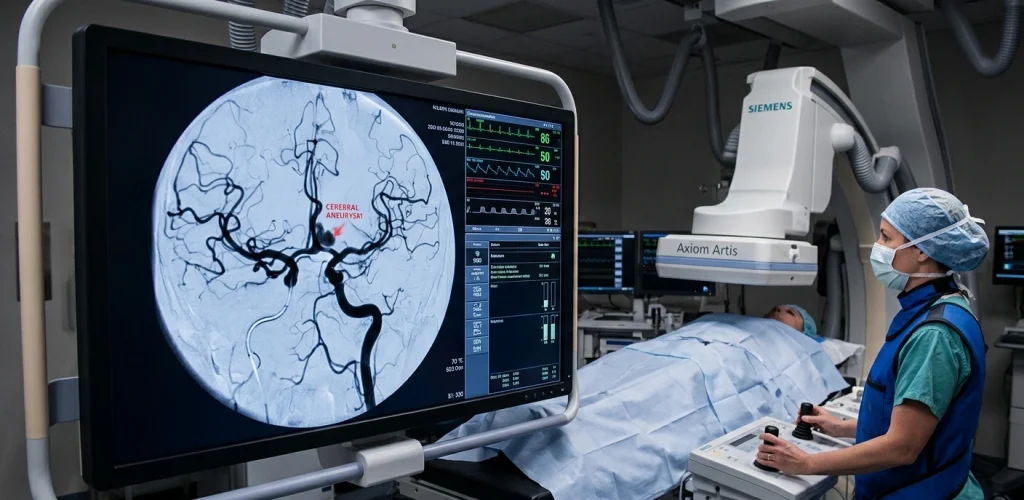
When is Angiography Required
Angiography is recommended when there is a strong suspicion of coronary artery disease or when other tests indicate potential blockages.
It is often used in cases of severe chest pain, abnormal stress test results, or after a heart attack. Angiography helps doctors decide whether procedures like angioplasty or bypass surgery are needed.
Advantages of ECG
ECG is quick, affordable, and widely available. It does not involve any risk or discomfort, making it suitable for all patients.
It provides immediate results and helps in early detection of heart problems. ECG is also useful for monitoring treatment progress.
Limitations of ECG
While ECG is useful, it has limitations. It cannot detect all types of heart problems and may miss blockages if they are not affecting the electrical activity of the heart at the time of the test.
This is why ECG is often combined with other diagnostic methods for a complete evaluation.
Advantages of Angiography
Angiography is highly accurate and provides detailed images of the coronary arteries. It allows doctors to identify the exact location and severity of blockages.
It also enables immediate treatment in some cases, such as placing a stent during the same procedure.
Risks and Considerations of Angiography
Although angiography is generally safe, it is an invasive procedure and carries some risks. These may include bleeding, infection, or reactions to the dye.
However, when performed by experienced professionals at facilities like American Heart Center, the risks are minimal and well managed.
ECG vs Angiography Cost Comparison
Cost is another factor to consider when comparing ECG vs angiography. ECG is relatively inexpensive and accessible, making it suitable for initial screening.
Angiography is more costly due to its complexity and the use of advanced equipment. However, its accuracy and ability to guide treatment make it a valuable investment in serious cases.
Role of American Heart Center
American Heart Center provides comprehensive cardiac care using modern diagnostic techniques and personalized treatment plans.
From initial ECG screening to advanced angiography procedures, patients receive complete care under one roof. The center focuses on accurate diagnosis, patient safety, and effective treatment outcomes.
Frequently Asked Questions
What is the main difference between ECG and angiography?
ECG records the electrical activity of the heart, while angiography shows images of the blood vessels and detects blockages.
Can ECG detect heart blockage?
ECG can suggest abnormalities but cannot directly detect blockages in the arteries.
Is angiography painful?
Angiography is generally not painful, but some patients may feel slight discomfort during the procedure.
How long does angiography take?
The procedure usually takes between thirty minutes to one hour, depending on the case.
Which test should I choose?
The choice depends on your symptoms and doctor’s recommendation. ECG is usually the first step, while angiography is used for detailed diagnosis.
Quick Check vs Detailed Insight in Heart Tests
When comparing ECG vs angiography, it is clear that both tests play important roles in heart care. ECG is a quick and effective screening tool, while angiography provides detailed and accurate detection of blockages.
Choosing the right test depends on your condition, symptoms, and medical advice. At American Heart Center, expert cardiologists guide patients through every step of diagnosis and treatment to ensure the best possible outcomes.