
Heart Artery Imaging Test Overview
The angiogram procedure is a specialized medical imaging test used to examine blood vessels, especially the arteries supplying blood to the heart. It is one of the most accurate diagnostic tools for detecting blockages, narrowing, or abnormalities in coronary arteries. Doctors often recommend it when a patient shows symptoms like chest pain, shortness of breath, or signs of coronary artery disease.
In simple terms, the angiogram procedure allows cardiologists to “see” inside your arteries by using a special dye and X-ray imaging. Without this test, many heart conditions would remain hidden or misdiagnosed. It plays a critical role in deciding whether a patient needs medication, angioplasty, or bypass surgery.
What Happens During Angiogram Procedure
The angiogram procedure is performed in a hospital’s catheterization lab, commonly called a cath lab. It is done by a trained cardiologist and usually takes between 30 minutes to 2 hours depending on complexity.
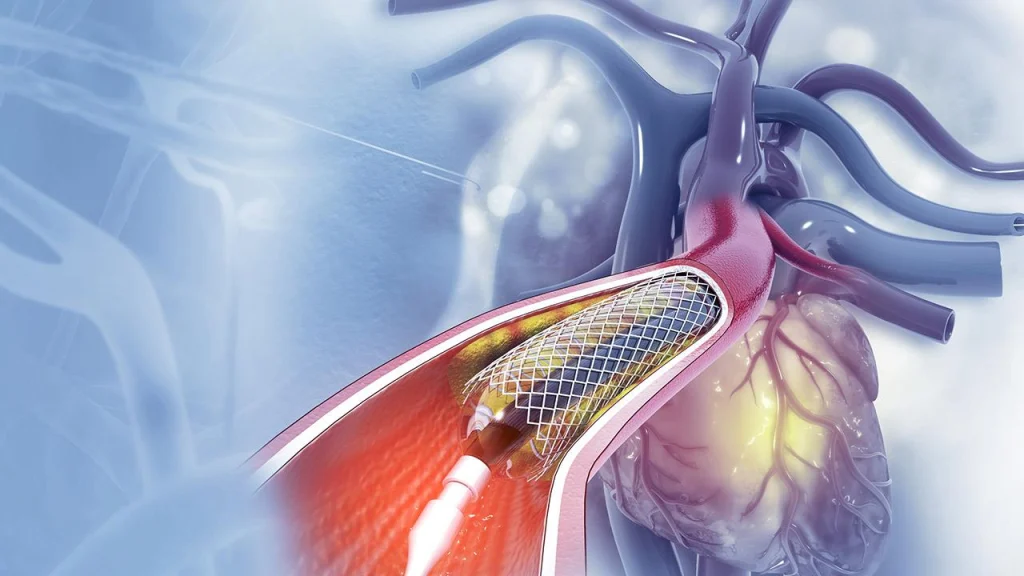
During the procedure, a thin flexible tube called a catheter is inserted into an artery, typically through the wrist or groin. The doctor carefully guides this catheter toward the heart. Once it reaches the target area, a contrast dye is injected through it. This dye is visible under X-ray, allowing the doctor to observe blood flow in real time.
As the dye moves through the arteries, the X-ray machine captures detailed images. These images reveal any blockages, narrowing, or abnormal blood flow patterns. The angiogram procedure does not treat the problem directly; instead, it identifies the exact issue so that appropriate treatment can follow.
Why Doctors Recommend Angiogram Procedure
Doctors recommend the angiogram procedure when they suspect serious heart-related conditions. It is not a routine test but a highly specific diagnostic tool used in critical cases.
Common reasons include persistent chest pain that does not improve with medication, abnormal stress test results, suspected coronary artery disease, heart attack evaluation, or planning for heart surgery. It is also used in emergency situations where immediate knowledge of artery blockage can save a patient’s life.
The angiogram procedure is considered the gold standard because it provides precise and real-time visualization of the coronary arteries, unlike ECG or blood tests which only provide indirect information.
Preparation Before Angiogram Procedure
Before undergoing the angiogram procedure, patients are given specific instructions to ensure safety and accuracy. Doctors usually recommend fasting for several hours before the test. Blood tests may also be conducted to check kidney function and clotting ability.
Patients must inform the doctor about any allergies, especially to iodine or contrast dye, as well as existing medical conditions like diabetes or kidney disease. Certain medications, particularly blood thinners, may need to be adjusted before the procedure.
In most cases, patients are awake during the angiogram procedure but are given mild sedatives to help them relax. The preparation phase is crucial because it reduces complications and ensures smooth execution of the test.
Step-by-Step Process of Angiogram Procedure
The angiogram procedure follows a structured medical process designed for precision and safety. First, the insertion site (wrist or groin) is cleaned and numbed with local anesthesia. A small incision is made to insert the catheter.
The cardiologist carefully threads the catheter through blood vessels until it reaches the coronary arteries. This part is guided using continuous X-ray imaging to ensure accuracy.
Once positioned, the contrast dye is injected. Patients may feel a warm sensation or slight flushing, which is normal and temporary. The X-ray images captured during this stage reveal the condition of the heart arteries in detail.
After imaging is complete, the catheter is removed and pressure is applied to prevent bleeding. A bandage or closure device is placed over the insertion site. Patients are then monitored for a few hours before discharge.
Risks and Safety of Angiogram Procedure
Although the angiogram procedure is generally safe, like any medical intervention, it carries certain risks. These risks are rare but may include bleeding at the catheter site, allergic reaction to contrast dye, infection, or irregular heartbeat.
In very rare cases, complications like kidney damage or artery injury may occur, especially in patients with pre-existing conditions. However, modern medical technology and skilled cardiologists have significantly reduced these risks.
The benefits of the angiogram procedure usually outweigh the risks, especially when diagnosing potentially life-threatening heart conditions.
Recovery After Angiogram Procedure
Recovery after the angiogram procedure is usually quick. Most patients are advised to rest for a few hours after the test and can often return home the same day. If the catheter was inserted through the groin, patients may need to lie flat for several hours to avoid bleeding.
Mild soreness or bruising at the insertion site is normal and typically resolves within a few days. Doctors usually recommend avoiding heavy lifting or strenuous activity for at least 24 to 48 hours.
Patients are encouraged to drink plenty of fluids to help flush the contrast dye from the body. Most people resume normal activities within a day or two after the angiogram procedure.
Results Interpretation of Angiogram Procedure
The results of the angiogram procedure are analyzed immediately by the cardiologist. The images show whether the arteries are clear, partially blocked, or fully blocked.
If minor blockages are found, lifestyle changes and medication may be recommended. In cases of severe blockage, procedures like angioplasty with stent placement or coronary bypass surgery may be necessary.
The clarity of results makes the angiogram procedure one of the most reliable tools in modern cardiology.
Importance of Angiogram Procedure in Heart Health
The angiogram procedure plays a vital role in preventing serious heart complications. Early detection of artery blockage can significantly reduce the risk of heart attacks and other cardiovascular diseases.
It not only helps in diagnosis but also guides treatment planning with precision. Without this procedure, many heart conditions would remain undetected until they become life-threatening.
For patients with ongoing heart symptoms, the angiogram procedure often becomes a turning point in diagnosis and treatment.
A Key Tool for Detecting Heart Problems Early
The angiogram procedure is a critical diagnostic tool in modern medicine for evaluating heart arteries and detecting cardiovascular diseases. It provides accurate, real-time images that help doctors make life-saving decisions.
From preparation to recovery, the process is carefully managed to ensure patient safety and diagnostic accuracy. While it carries minor risks, its benefits in detecting heart problems early are far more significant.