
Protect Your Heart Health
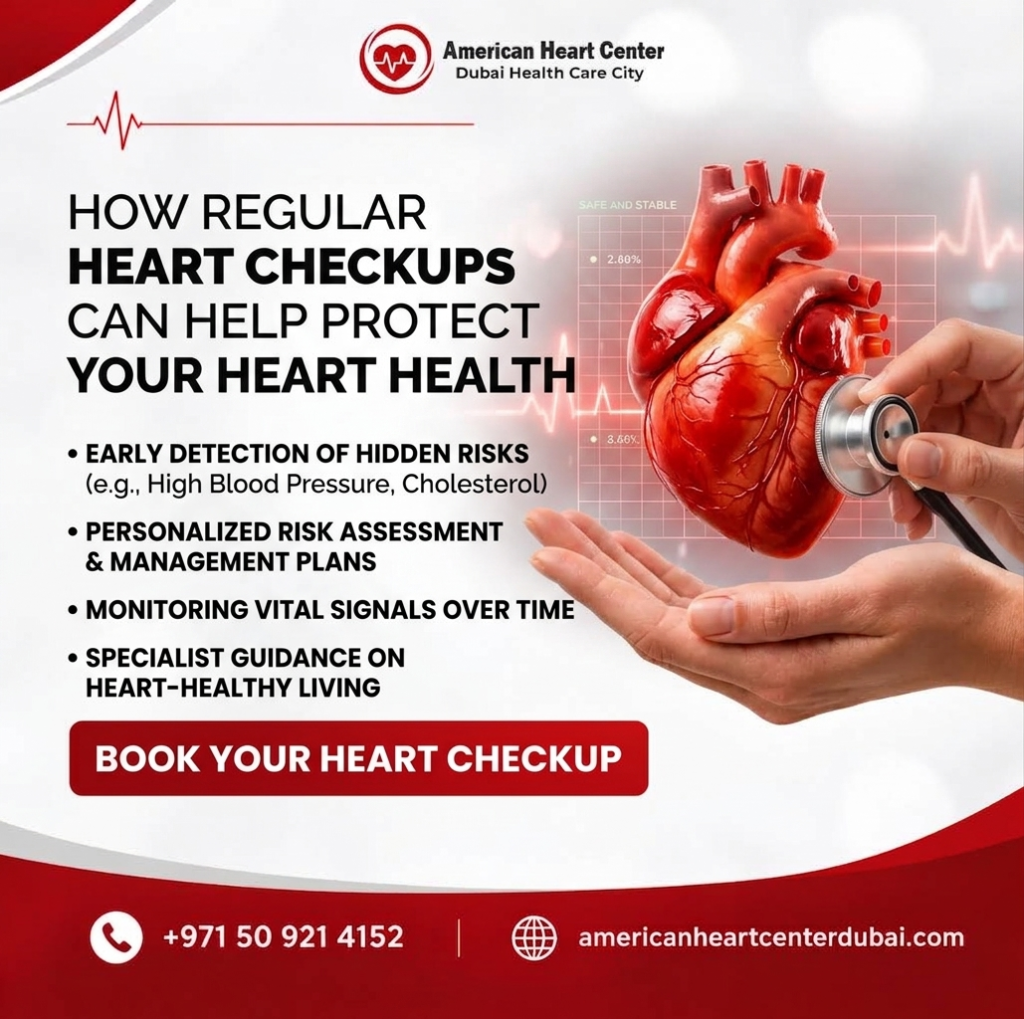
Heart disease can develop gradually, and some cardiovascular problems may not cause noticeable symptoms in their early stages. Regular heart checkups can help identify potential risk factors and give you a clearer understanding of your cardiovascular health. They can also help doctors recommend appropriate lifestyle changes, monitoring, or further testing when needed. A heart checkup may include a review of your medical history, blood pressure, lifestyle factors, family history, and other relevant health information. Depending on your age, symptoms, and risk factors, a cardiologist may also recommend tests such as an ECG, echocardiogram, stress test, or blood tests. For people living in Dubai, regular cardiac screening can be a useful part of maintaining long-term heart health.
Why Regular Heart Checkups Matter
Many cardiovascular risk factors can exist without obvious symptoms. High blood pressure, high cholesterol, diabetes, obesity, smoking, physical inactivity, and a family history of heart disease can increase cardiovascular risk. A regular heart checkup gives a doctor an opportunity to review these factors and determine whether further assessment is appropriate. Early assessment can be particularly important when a person has several risk factors or notices changes such as unusual chest discomfort, shortness of breath, dizziness, palpitations, or reduced exercise tolerance.
What Can a Heart Checkup Detect?
A cardiac checkup does not mean that every patient needs extensive testing. The type of assessment depends on the individual’s circumstances.
During an evaluation, a cardiologist may assess:
- Blood pressure
- Heart rate and rhythm
- Cholesterol and other relevant blood markers
- Diabetes-related risk
- Family history of cardiovascular disease
- Smoking and lifestyle factors
- Weight and physical activity
- Previous heart conditions
- Symptoms that may require further investigation
Based on the findings, the doctor may recommend additional cardiac tests.
Who Should Have Regular Heart Checkups?
The need for regular heart screening varies from person to person. Adults with cardiovascular risk factors may benefit from discussing routine heart assessments with their doctor.
A heart checkup may be particularly relevant for people with:
- High blood pressure
- High cholesterol
- Diabetes
- Obesity
- A family history of heart disease
- A history of smoking
- Limited physical activity
- Previous cardiovascular problems
- Recurrent chest discomfort or palpitations
Age can also influence the type and frequency of cardiovascular assessment. Your doctor can recommend an appropriate schedule based on your individual risk profile.
Common Tests Used During a Heart Checkup
A cardiology consultation may involve different tests depending on your symptoms and risk factors.
ECG
An electrocardiogram, commonly called an ECG, records the electrical activity of the heart. It can help assess heart rhythm and identify certain electrical abnormalities.
Echocardiogram
An echocardiogram uses ultrasound to produce images of the heart. It can help doctors evaluate the heart’s structure, chambers, valves, and pumping function.
Stress Test
A stress test evaluates how the heart responds to physical activity. It may be recommended when a doctor needs to assess symptoms or investigate possible problems related to exertion.
Blood Pressure Monitoring
Blood pressure measurement is an important part of cardiovascular assessment. In some cases, doctors may recommend ambulatory blood pressure monitoring to evaluate blood pressure throughout the day and night.
Blood Tests
Depending on your medical history and risk factors, your doctor may recommend blood tests to assess cholesterol, blood sugar, and other relevant markers.
How Often Should You Have a Heart Checkup?
There is no single schedule that applies to everyone. The appropriate frequency depends on factors such as age, family history, existing medical conditions, lifestyle, previous test results, and cardiovascular risk.
Someone with no known risk factors may require a different screening schedule from someone with high blood pressure, diabetes, high cholesterol, or a previous heart condition.
Instead of waiting for symptoms to appear, discuss your personal risk factors with a qualified healthcare professional. They can advise you on whether routine cardiac assessments are appropriate and how often they should be considered.
Heart Health Screening in Dubai
People living and working in Dubai have access to a range of cardiac assessment services. A cardiology consultation can help identify relevant risk factors and determine whether additional testing is appropriate.
At American Heart Center Dubai, cardiac care includes consultations and diagnostic services such as ECG, 2D echocardiography, stress testing, ambulatory blood pressure monitoring, and relevant blood tests.
The appropriate tests depend on the patient’s symptoms, medical history, and clinical assessment.
When Should You Consult a Cardiologist?
You should discuss your symptoms with a healthcare professional if you experience persistent or recurring cardiovascular symptoms.
These may include:
- Chest pain or pressure
- Shortness of breath
- Unexplained dizziness
- Fainting
- Frequent or irregular heartbeats
- Unusual fatigue during physical activity
- Swelling in the legs
- A noticeable decline in exercise tolerance
Some symptoms can require urgent medical attention. If you experience severe or sudden chest pain, severe difficulty breathing, fainting, or other potentially serious symptoms, seek emergency medical care rather than waiting for a routine appointment.
Lifestyle Habits That Support Heart Health
Regular checkups are only one part of cardiovascular health. Everyday habits can also influence heart health.
Consider maintaining a balanced diet, staying physically active, avoiding tobacco, managing stress, getting adequate sleep, and maintaining a healthy weight.
If you have high blood pressure, high cholesterol, diabetes, or another diagnosed condition, follow your healthcare professional’s recommendations for monitoring and treatment.
Why Preventive Cardiac Care Matters
Preventive cardiac care focuses on understanding cardiovascular risk before problems become more serious. Regular assessments can give patients an opportunity to discuss risk factors and make informed decisions about their health.
A checkup does not guarantee that a heart condition will be prevented or detected in every case. However, appropriate assessment can help doctors identify certain risk factors and determine when further evaluation may be needed.
Book a Cardiology Consultation in Dubai
Regular heart checkups can help you understand your cardiovascular risk and identify areas that may need further assessment. The right type of screening depends on your individual health history, symptoms, age, and risk factors.
American Heart Center Dubai provides cardiology consultations and diagnostic services for patients seeking professional heart care in Dubai. Patients can discuss their concerns with a cardiologist and receive recommendations based on their individual clinical needs.
For more information about cardiac consultations and heart health services, visit the American Heart Center Dubai website.
Frequently Asked Questions
How often should I get a heart checkup?
The frequency depends on your age, medical history, symptoms, family history, and cardiovascular risk factors. A healthcare professional can recommend an appropriate schedule based on your individual needs.
What happens during a heart checkup?
A heart checkup may include a review of your medical history and lifestyle, blood pressure measurement, physical assessment, and other tests when clinically appropriate.
Is an ECG included in a heart checkup?
An ECG may be recommended depending on your symptoms, medical history, and clinical assessment. Not every patient requires the same tests.
Can a heart checkup detect high blood pressure?
Blood pressure measurement is commonly included in cardiovascular assessments and can help identify elevated blood pressure that may require further monitoring or evaluation.
Who should consider regular heart screening?
People with cardiovascular risk factors, a family history of heart disease, previous heart problems, or concerning symptoms should discuss appropriate screening with a healthcare professional.
Where can I get a cardiac checkup in Dubai?
American Heart Center Dubai provides cardiology consultations, regular heart checkups, and several diagnostic services. The appropriate assessment depends on each patient’s individual clinical circumstances.