
Understanding the Importance of Angiogram Dubai Services
Heart health has become a growing concern for people of all ages due to changing lifestyles, stress levels, dietary habits, and medical conditions. Cardiovascular diseases continue to affect millions worldwide, making early diagnosis and timely medical care extremely important. Modern healthcare technology has introduced advanced procedures that help doctors detect heart-related problems accurately and efficiently. One such important diagnostic procedure is an angiogram. Patients seeking Angiogram Dubai services have access to modern healthcare facilities, specialized cardiac professionals, and advanced diagnostic equipment designed to identify cardiovascular concerns effectively.
An angiogram is a medical imaging procedure used to examine blood vessels and determine whether there are blockages, narrowing, or abnormalities affecting blood circulation. The procedure helps specialists understand the condition of arteries and evaluate the blood flow to important organs, especially the heart. Early diagnosis can significantly reduce risks associated with heart disease and improve long-term outcomes.
What Is an Angiogram?
An angiogram is a diagnostic test that uses contrast dye and imaging technology to create detailed pictures of blood vessels inside the body. It is commonly performed to evaluate coronary arteries supplying blood to the heart. The procedure helps identify conditions such as narrowed arteries, blocked vessels, and circulation-related issues.
Medical specialists often recommend an angiogram when patients experience symptoms associated with heart disease. These symptoms may include chest discomfort, shortness of breath, dizziness, fatigue, or irregular heartbeat patterns. By obtaining a detailed image of blood vessels, physicians can make informed treatment decisions and develop personalized care plans.
Healthcare institutions providing Angiogram in Dubai procedures use modern imaging systems and advanced technology to ensure precision and patient safety throughout the process.
Why Doctors Recommend Angiograms
Several reasons may lead a physician to recommend an angiogram. Patients with a family history of heart disease, high cholesterol, diabetes, obesity, or high blood pressure often require detailed cardiovascular evaluation. Doctors may also advise an angiogram after abnormal test results from electrocardiograms, stress tests, or echocardiography.
Individuals experiencing unexplained chest pain or symptoms suggesting reduced blood flow may benefit from additional investigation. Early identification of cardiovascular issues can help avoid severe complications and provide opportunities for timely intervention.
An angiogram not only identifies disease but also supports healthcare professionals in planning treatment methods ranging from medication management to advanced procedures.
Types of Angiogram Procedures
Different forms of angiograms are available depending on the area being examined. Physicians determine the appropriate option according to patient symptoms and clinical findings.
Coronary angiograms focus on arteries supplying blood to the heart. These procedures are among the most frequently performed cardiovascular diagnostic methods worldwide. Peripheral angiograms examine blood vessels in arms and legs. Cerebral angiograms help evaluate blood circulation within the brain. Pulmonary angiograms assess arteries supplying blood to the lungs.
Many facilities offering Angiogram Dubai services provide comprehensive cardiovascular diagnostic solutions designed for various medical conditions and patient requirements.
Preparation Before an Angiogram Procedure
Proper preparation helps ensure a smooth and successful procedure. Healthcare providers usually discuss medical history, allergies, medications, and pre-existing conditions before scheduling the examination. Patients may undergo blood tests or additional assessments to determine suitability for the procedure.
Doctors often recommend avoiding food and beverages for several hours beforehand. Certain medications, especially blood thinners, may require temporary adjustment according to medical advice. Patients should inform healthcare professionals about allergies related to medications, contrast dye, or anesthesia.
Understanding preparation guidelines and following physician instructions helps reduce risks and improve procedural outcomes.
How an Angiogram Procedure Is Performed
The angiogram process generally takes place inside a specialized cardiac imaging laboratory. Patients are usually awake during the procedure, although mild sedatives may be administered for comfort and relaxation.
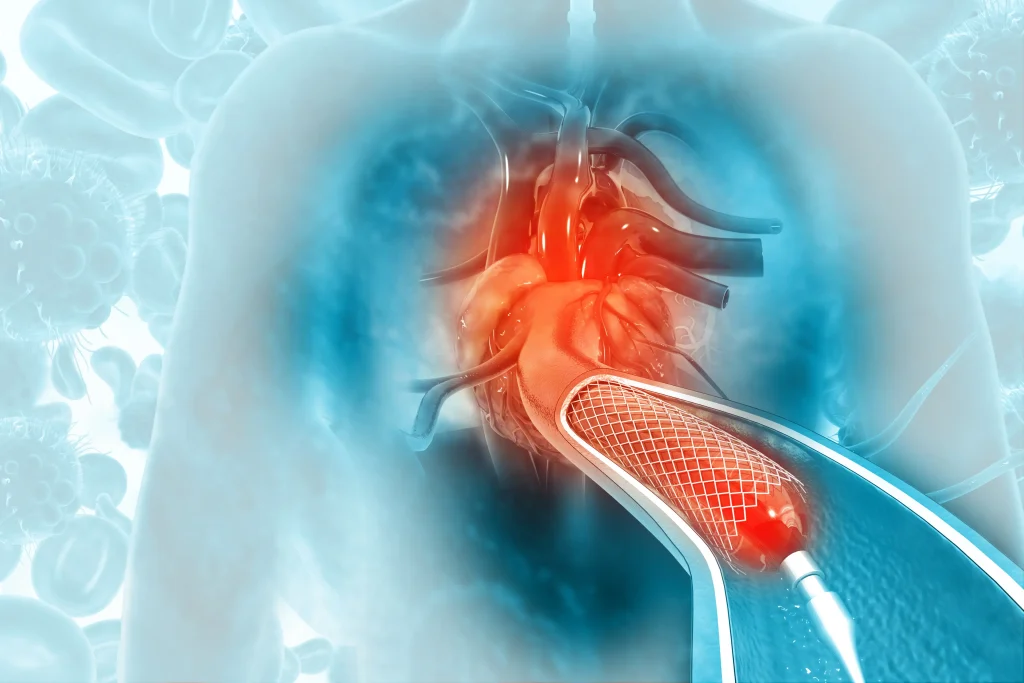
A physician inserts a thin catheter through an artery, commonly located near the wrist or groin area. The catheter is carefully guided through blood vessels toward the target region. Contrast dye is injected to make arteries visible through imaging equipment. X-ray technology captures detailed images showing blood flow patterns and vessel structures.
Patients may briefly feel warmth after dye injection, but the sensation usually disappears quickly. Healthcare teams continuously monitor vital signs throughout the procedure to ensure patient safety and comfort.
Modern Angiogram Dubai centers emphasize advanced technology and patient-centered approaches designed to improve overall experiences during cardiovascular testing.
Benefits of Early Heart Disease Detection
One major advantage of angiography is early disease identification. Detecting cardiovascular conditions before they progress can significantly improve treatment outcomes and quality of life. Early diagnosis helps reduce risks associated with heart attacks and severe complications.
Healthcare professionals can create customized treatment plans based on angiogram findings. Some individuals may only require lifestyle changes and medications, while others may benefit from additional procedures.
Early intervention often leads to faster recovery, improved symptom management, and better long-term cardiovascular health. Preventive healthcare continues to play a critical role in reducing disease burden worldwide.
Understanding Risks and Safety Considerations
Like all medical procedures, angiograms involve certain risks. However, serious complications remain uncommon, especially when procedures are performed by experienced professionals in advanced medical environments.
Potential risks may include minor bleeding, bruising at the insertion site, allergic reactions to contrast dye, infection, or temporary irregular heart rhythms. Healthcare teams carefully evaluate patient conditions before proceeding and implement safety protocols to minimize complications.
Medical technology advancements and specialist expertise have contributed to safer and more efficient diagnostic experiences over time.
Recovery After an Angiogram Procedure
Recovery varies according to individual health conditions and procedural details. Many patients can return home on the same day, while others may require short observation periods depending on findings and overall health status.
Patients are often advised to drink water to help eliminate contrast dye from the body. Rest, avoiding heavy physical activities, and following physician recommendations contribute to recovery. Mild soreness near the insertion site may occur but usually resolves within a short period.
Healthcare providers also discuss results and explain potential next steps if additional treatment becomes necessary.
Choosing Quality Cardiac Care in Dubai
Dubai has developed a strong reputation for delivering advanced healthcare services across multiple specialties. Modern hospitals and cardiac centers continue investing in technology, specialized professionals, and patient care standards.
Individuals seeking Angiogram Dubai procedures often look for facilities offering experienced cardiologists, diagnostic excellence, personalized care, and advanced medical infrastructure. High-quality care contributes significantly to patient confidence and successful outcomes.
When selecting a healthcare provider, patients should consider specialist experience, available technologies, accreditation standards, and patient support services. Research and consultation can help identify suitable healthcare options according to personal medical needs.
Prioritizing Early Heart Health Assessment
Heart health should never be ignored, especially when symptoms suggest possible circulation or cardiovascular concerns. Diagnostic procedures such as angiograms play a major role in identifying underlying conditions and supporting timely treatment decisions. Access to advanced medical technology and specialized expertise allows patients to receive accurate evaluations and effective care.
People considering Angiogram Dubai services can benefit from advanced diagnostic capabilities and modern healthcare environments focused on precision and patient well-being. Early diagnosis remains one of the most important steps toward protecting heart health and maintaining a healthier future.