
Understanding the Prickly Feeling in Chest
A prickly feeling in chest is a sensation many people experience at some point in their lives. It can feel like tiny pins, mild tingling, light stabbing sensations, or a brief electric-like discomfort in the chest area. While it may last only a few seconds for some individuals, others may notice it recurring or persisting for longer periods.
This sensation does not always indicate a serious condition, but it should not be ignored when it becomes frequent or is accompanied by other symptoms. The chest is a complex area containing muscles, nerves, bones, lungs, and the heart, so discomfort can originate from multiple sources.
Understanding the possible causes helps in identifying whether the symptom is harmless or needs medical evaluation.
Common Causes Behind Prickly Sensations in the Chest
The prickly feeling in chest can arise from several different physical or psychological conditions. One of the most common reasons is muscle strain. When chest muscles are overused due to heavy lifting, exercise, or even poor posture, small muscle fibers may become irritated, resulting in tingling or prickly sensations.
Another frequent cause is nerve irritation. The intercostal nerves, which run between the ribs, can become compressed or inflamed. This may create sharp, prick-like sensations that worsen with movement or breathing.
Acid reflux is another possible trigger. When stomach acid flows back into the esophagus, it can create a burning or prickly discomfort in the chest area. This is often mistaken for heart related issues, especially when it occurs after eating or lying down.
Anxiety and Stress as Hidden Triggers
Psychological factors play a major role in chest sensations. Anxiety and stress can cause hyperawareness of bodily sensations, making normal nerve signals feel amplified. During anxiety episodes, the body releases stress hormones that can tighten muscles and affect breathing patterns.
This can lead to a prickly feeling in chest, often accompanied by rapid heartbeat, shortness of breath, or a sense of uneasiness. In some cases, it may feel similar to chest pain, which increases fear and worsens the cycle of anxiety.
People under chronic stress may experience recurring chest discomfort without any underlying physical disease. This is why emotional health should never be ignored when evaluating chest-related symptoms.
Nerve-Related Causes and Sensory Changes
Nerve-related issues are a significant but often overlooked reason behind chest prickling. Conditions such as pinched nerves in the spine or inflammation of chest wall nerves can produce abnormal sensations.
Vitamin deficiencies, especially vitamin B12 deficiency, can also affect nerve function and lead to tingling or prickly sensations in different parts of the body, including the chest.
In some cases, shingles (a viral infection affecting nerves) may begin with a tingling or prickly feeling in one side of the chest before a visible rash appears. This highlights how nerve involvement can create unusual sensory experiences.
Heart-Related Concerns That Should Not Be Ignored
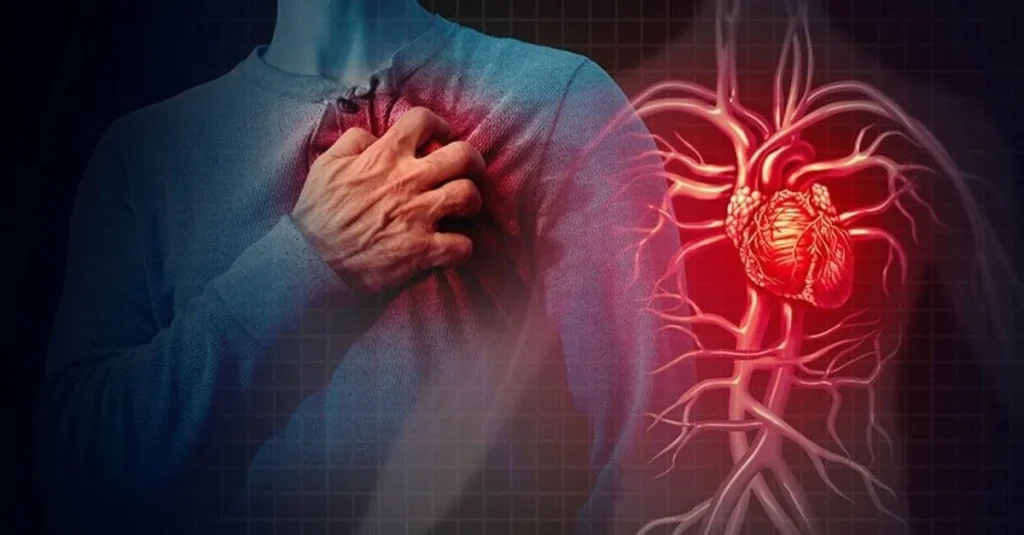
Although not always the case, certain heart conditions can present with chest discomfort. A prickly feeling in chest is less typical of heart attacks but may still occur alongside other warning signs.
Heart-related symptoms are usually accompanied by pressure, heaviness, pain radiating to the arm or jaw, sweating, or dizziness. If chest prickling is combined with these symptoms, it should be taken seriously.
Conditions like angina, which involves reduced blood flow to the heart, may sometimes cause unusual chest sensations. While angina typically feels like pressure rather than tingling, individual experiences can vary.
Ignoring persistent or worsening chest symptoms is not recommended, especially when risk factors like smoking, diabetes, high blood pressure, or family history of heart disease are present.
Digestive System Influence on Chest Sensations
The digestive system is closely linked to chest discomfort. Acid reflux and gastritis are common contributors to sensations that mimic chest issues. When acid irritates the esophagus, it can create tingling, burning, or prickly feelings behind the breastbone.
Certain foods, especially spicy, fatty, or acidic meals, can trigger these symptoms. Eating large meals or lying down immediately after eating may worsen the discomfort.
Gas buildup in the stomach can also press against surrounding structures, leading to a strange prickly or tight feeling in the chest. These digestive-related causes are often overlooked but are very common.
Lifestyle Factors That Contribute to Chest Prickling
Daily habits significantly influence chest sensations. Poor posture, especially from long hours of sitting or using digital devices, can strain chest muscles and nerves.
Lack of physical activity may weaken muscles, making them more sensitive to minor stress or movement. On the other hand, sudden intense workouts without proper warm-up can also lead to muscle irritation.
Smoking is another major factor that can affect chest health. It irritates airways, reduces oxygen flow, and increases the likelihood of chest discomfort.
Caffeine and energy drinks may also trigger palpitations or chest sensitivity in some individuals, especially when consumed in excess.
When the Prickly Feeling Becomes a Warning Sign
A prickly feeling in chest is usually harmless when it is mild and occasional. However, certain patterns indicate the need for medical attention.
If the sensation becomes frequent, worsens over time, or is accompanied by symptoms like breathlessness, chest tightness, fainting, or radiating pain, it should not be ignored.
Sudden onset of severe chest discomfort should always be treated as a medical concern until serious causes are ruled out.
It is also important to pay attention to duration. Short-lived tingling is often less concerning than persistent or recurring episodes that interfere with daily life.
Diagnosis and Medical Evaluation
When evaluating chest sensations, healthcare professionals typically begin with a detailed history and physical examination. They assess lifestyle, stress levels, medical history, and symptom patterns.
Depending on the situation, tests like ECG, blood tests, chest X-rays, or digestive system evaluations may be recommended. These help rule out heart, lung, or gastrointestinal conditions.
In cases suspected to be nerve-related, neurological evaluation may be required. If anxiety is a major factor, psychological assessment may also be considered.
Proper diagnosis is essential because similar symptoms can originate from very different causes.
Managing and Reducing Chest Prickling Sensations
Management depends entirely on the underlying cause. For muscle-related discomfort, rest, posture correction, and gentle stretching often help.
If acid reflux is involved, dietary adjustments and avoiding late-night meals can significantly reduce symptoms.
For anxiety-related chest sensations, stress management techniques such as controlled breathing, physical activity, and structured routines can be effective.
Improving sleep quality and reducing stimulants like caffeine also helps stabilize nervous system responses.
In cases related to vitamin deficiency or nerve issues, medical treatment and nutritional support may be necessary.
Key Takeaway on Chest Sensations
A prickly feeling in chest is a symptom with multiple possible causes, ranging from simple muscle strain to more complex nerve, digestive, or emotional factors. While it is often not dangerous, ignoring persistent or unusual patterns is not advisable.
Understanding your body’s signals is important, but conclusions should not be made without proper evaluation when symptoms persist or worsen. The key is to observe patterns, identify triggers, and take appropriate steps when needed rather than assuming a single cause.